
p074.htm
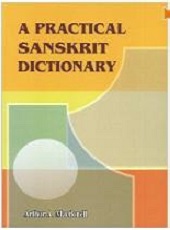
• A Practical Sanskrikt Dictionary,
by A. A. Macdonell, 1893,
http://www.sanskrit-lexicon.uni-koeln.de/scans/MDScan/index.php?sfx=jpg;
1929.
-
Nataraj ed., 1st in 2006, 2012.
-
https://dsal.uchicago.edu/dictionaries/macdonell/ 190516
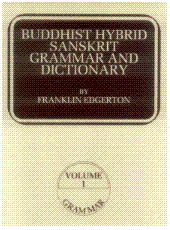
• The Buddhist Hybrid Sanskrit Grammar and
Dictionary, BHS, vol.2, by F. Edgerton,
pp. 627.
-
FEdgerton-BHSD<Ô> /
Bkp<Ô> (link chk 180627)
• The Student's Pali English dictionary ,
by U Pe Maung Tin, 1920.
- (ref: UPMT-PEDxxx).
Downloaded copies in TIL
HD-PDF and SD-PDF libraries:
-
UPMT-PaliDict1920<Ô> /
bkp<Ô> (link chk 190113)
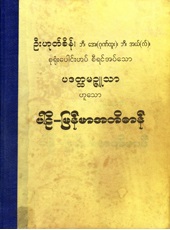
• Pali-Myanmar Dictionary
(in Pal-Myan), by U Hoke Sein,
- (ref: UHS-PMD). The dictionary in printed form is in TIL Research Library.
• Latin-English Vocabulary II, by Hans H Ørberg, 1998
-
HHOrberg-LinguaLatina<Ô> /
Bkp<Ô> (link
chk 190624)
Edited by U Kyaw Tun (UKT) (M.S., I.P.S.T., USA),
Daw Khin Wutyi, Daw Thuzar Myint, Daw Zinthiri Han
and staff of Tun Institute of Learning (TIL).
Not for sale. No copyright. Free for everyone.
Prepared for students and staff of TIL
Research Station, Yangon, MYANMAR
-
http://www.tuninst.net ,
www.romabama.blogspot.com
MC-indx.htm |
Top
MCpp-indx.htm
From
{iRRi.} vowel
 {kRRiS} : cont.
p074c1
 {kRRi.þa.}
: note
{kRRi.þa.}
: note
 {þa.} is not under viram
 {kRRi} (2 blnk)
From
{iLLi.} vowel
 {kLLi.}
: words made up of highly Lateral vowel
ऌ (related to /i/) not present in
Bur-Myan
{kLLi.}
: words made up of highly Lateral vowel
ऌ (related to /i/) not present in
Bur-Myan
p074c2
English "clip" / Sanskrit "clipta"
 :
Lateral vowel ऌ (related to /i/) - Watch lesson 103
:
Lateral vowel ऌ (related to /i/) - Watch lesson 103
What follows on
{ké} and
{kè:} have been transferred to a separate folder p074E.htm
Note: Eng-Lat cannot differentiate
See my note on • Problem of mid-vowels in BEPS
But, first, if you are on a TIL research computer, watch and listen to the downloaded files in TIL HD-VIDEO library
- SktDevGramLect01-indx.htm (link chk 180123)
- SktDevGramLect02-indx.htm (link chk 180123)
and listen to 109. GuNitakshara गुणिताक्षराणि «guṇita akshara» 'augmented akshara' in Sanskrit
- Lesson109<Ô> Lesson109<)) (link chk 180123)
UKT notes :
•
Problem of mid-vowels in BEPS
{kRRiS} : {kRRi.} checked with
 {S}
{S}
p074c1-b01/ p056-053
• कृष्णगति
[ krishna-gati ]
- m. (black-pathed), fire;
-katurdasî, f. 14th day of
the dark half [of lunar month] = new moon
[ {la.kwèý né.} 'no moon'];
-ganma‿ashtamî, f.
a certain eighth day which is Krishna's
birthday; -tâ, f., -tva,
n. blackness; -nayana,
-netra, a. black-eyed;
-paksha, m. dark fortnight
(full moon to new moon); -bhûma,
m. black soil; -bhogin,
m. kind of black snake [
{la.kwèý né.} 'no moon'];
-ganma‿ashtamî, f.
a certain eighth day which is Krishna's
birthday; -tâ, f., -tva,
n. blackness; -nayana,
-netra, a. black-eyed;
-paksha, m. dark fortnight
(full moon to new moon); -bhûma,
m. black soil; -bhogin,
m. kind of black snake [
 {lín: mrwé} ?]; -mukha, a.
(î) black-mouthed; -mriga,
m. black antelope; -yag
urveda, m. Black Yagur-veda.
{lín: mrwé} ?]; -mukha, a.
(î) black-mouthed; -mriga,
m. black antelope; -yag
urveda, m. Black Yagur-veda.
53)
© कृष्णगति
[ krishna-gati ]
-->
 {kRRiS~Na. ga.ti.}
- m. (black-pathed), fire;
- Mac074c1
p074c1-b02/ p056-052
• कृष्णल
[ krishná-la ]
- (m.) n. kind of black berry
(used as weight and coin).
52)
p074c1-b03/ p056-051
• कष्णवर्ण
[ krishna-varna ]
= क ष ् ण व र ् ण
--> कृष्णवर्ण
Skt: कष्णवर्ण [ krishna-varna ]
- a. black-coloured; -vartman,
m. fire (black-tracked);
(á)-vâla, a. black-tailed;
-sakti, m. N.; -sarpa, m. kind of black snake;
-sâra, a. chiefly
black, spotted black and white; m. spotted antelope; (á)-sâraṅga,
a.; m.
f.; id.
51)
UKT 180104: I suspect Macdonell has made a spelling mistake in Devanagari, I had the spelling changed to: कृष्णवर्ण
कृष्णवर्ण - mfn. of a black colour, dark-blue - MWilliams:SktDic
p074c1-b04/ p056-050
• कृष्णागुरु [ krishna‿aguru ]
- n. kind of aloe; -‿aginá, n. skin of the black antelope.
50)
p074c1-b05/ p056-049
• कृष्णाय [ krishnâ-ya ]
- den. P. behave like Krishna; Â. blacken.
49)
p074c1-b06/ p056-048
• कष्णायस्् [ krishna‿ayas
], ˚स [ -sa ]
- n. iron; -‿ahi, m. black serpent.
48)
p074c1-b07/ p056-047
• कृष्णिका [ krishn-ikâ ]
- f. blackness; -i-man, m. id.
47)
p074c1-b08/ p056-046
• कृष्णी
[ krishn&isharp; ]
- f. night (the black one).
46)
p074c1-b09/ p056-078
• कृष्य [ krish-ya ]
- fp. to be ploughed.
78)
{kRRi.þa.} :
note
{þa.} is not under viram
p074c1-b10/ p056-077
• कृसर
[ krisara ]
- m. n., â, f. dish
of rice and sesamum.
77)
Sesamum is a genus of approximately 20 species in the flowering plant family Pedaliaceae. The plants are annual or perennial herbs with edible seeds. The best-known member of the genus is sesame, Sesamum indicum (syn. Sesamum orientale), the source of sesame seeds. - https://en.wikipedia.org/wiki/Sesamum (170401)
{kRRi}
p074c1-b11/ not online
• कॄ [ krî ]
- vi. p. kirá , pour out, scatter, bestrew, dishevelled; covered, filled
with; stopped (ears). apa-skira, â. scrape (with feet).
ava, pour down, scatter; emit semen; bestrew, cover: pp.
bestrewed, covered; caught in; having emitted semen; full of, being
wholly in the power of (-°.) anuava, scatter about. â,
strew, bestow abundantly: pp. strewn ; covered, filled, crowded;
surrounded by (in.). apa‿â, abandon; refuse. vi‿â,
pp.
dishevelled; dim. sam-â, cover over, fill up: pp. covered or filled with.
carved, engraved; overwhelmed with(-°). sam-ud, pp. pierced. vi-ni, shatter;
cover; abandon. sam-ni, pp. stretched out. pari scatter round; swarm
round: liver up. pra, scatter: pp dispersed; squandered; dishevelled; confused;
various. vi-pra, pp scattered; dishevelled; extended. prati-skira, lacerate: pp.
akirna, injured. vi, scatter, disperse; cleave, split; bestrew; heave (sight);
dishevel. pra-vi, scatter spread. sam, pourort, bestow abundantly; overwhelm;
mix: pp: crowded with, full of; mixed, combined with (-°) impure; born of a
mixed marriage; in rut (elephant).
{kLLi.}
: words derived from highly Lateral vowel ऌ
(related to /i/)

UKT 180123: I presume that the Skt-vowel
{iLi.} is formed from L-major
{La.}. It is to differentiate from La'hswè
{la.hswè:} formed from consonant
{la.} - the L-minor. Both ऋ and ऌ are vowels, and are not present in Bur-Myan. Many words derived from ऋ the rhotic vowel are found in Panini Classical Sanskrit, but only a few derived from ऌ. However it is said many from ऌ are found in Védic language. Because of this, I presume Vedic to be the language of Tib-Bur speakers of the Bronze Age, whereas Sanskrit to be the language of IE speakers of the Iron Age, who defeated the Bronze Age peoples by their superior weapons of war.
√kḷp, 'be adapted'. - Whit024
UKT 180125: Notice the dot under small l ( L ). It denotes the sign of lateral vowel ॢ (1 blnk) , ॣ (2 blnk). However, in many words below, it is not the sign that is used, but ृ (1 blnk) of highly rhotic vowel ऋ {iRi.}.
p074c1-b12/ not online
• कॢप्
[ klip ] , i. â.
= क ॢ प ्
- kálpa, be fit, capable or use; prosper, succeed; agree with, conform to
(in.); appear as (in.), be qualified for (lc.); serve for, conduce to, cause
(d.); participate in (d.); fall to the lot of (d. g., lc.); became
(nm., d.); pronounce to be, regard as (2 ac.): pp.
kliptâ, arrange, ready, prepared; trimmed, cut (hair, nail, etc.);
settled; prescribed; firm (conviction); existing; ...
The English word "clip"
UKT 180125: The only way I can pronounce clip /klɪp/ is very roughly {kla.} --> {kli.} -->
{kli:p} if I were to use Bur-Myan phonology. However, if I were to put my English cap on, I can pronounce the English clip perfectly. Remember both Burmese and English are my first languages, L1s, because both my parents spoke English fluently as L2s, and I must have heard English sounds being spoken even when I was still in my mother's womb.
p074c2-b01/ p056-076
• क्लृपि
[ klip-i ]
= क ् ल ृ प ि = क ् लृ प ि
- the root klip (gr.).
76)
p074c2-b02/ p056-075
• क्लृप्तकेशनखश्मश्रु [ klipta-kesa-nakha-sma-sru ]
- a. having his hair, nails, and beard trimmed.
75)
p074c2-b03/ p056-074
• क्लृप्ति [ klíp-ti (also-tí) ]
- f. coming about, success.
74)
( end of old p074-1.htm )
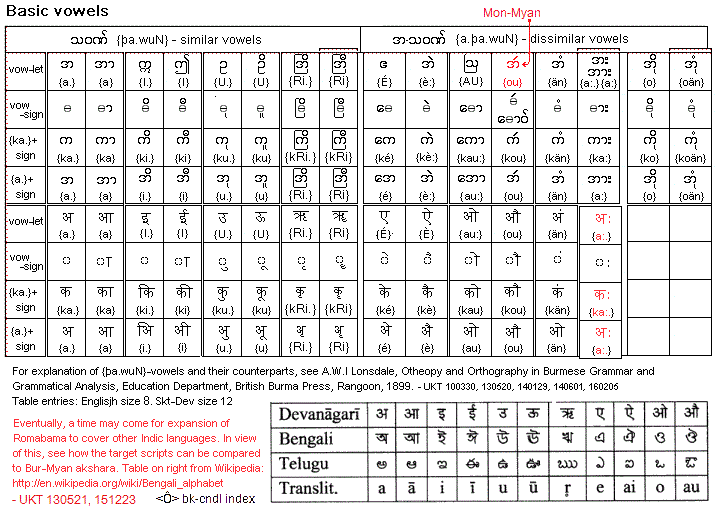 Problem of BEPS mid-vowels
- UKT 151112, 180108, 190204:
Eng-Lat cannot differentiate
{ké} and
{kè:}. Bur-Myan does not have
 {kou} which Mon-Myan has. Eng-Lat has to pronounce the nearest to
{kou} as <cow> as a diphthong with a glide. We all, with
different L1s, have difficulties pronouncing
these words. Just listen to the native
speakers and let your ear be your guide. But,
be careful, how you choose the "native
speaker", when there are quite a few
dialects.
{kou} which Mon-Myan has. Eng-Lat has to pronounce the nearest to
{kou} as <cow> as a diphthong with a glide. We all, with
different L1s, have difficulties pronouncing
these words. Just listen to the native
speakers and let your ear be your guide. But,
be careful, how you choose the "native
speaker", when there are quite a few
dialects.
There are at least two sets of words in Bur-Myan with which I am having difficulty which I suspect is due to our misunderstanding of the Myanmar akshara vowel system:
Bur-Myan : note how the Dot-below
 {auk-mric} and
Ya'thut
{auk-mric} and
Ya'thut
 {ya.þut}
are used judiciously
to differentiate the three tones.
{ya.þut}
are used judiciously
to differentiate the three tones.
1 blnk ----------- 2 blnk ------- 2 blnk + emphasis
¤
{ké.} ------
{ké:}
¤{kau.} ---
{kau} --------
{kau:}
¤
{kè.} -----------------------------
{kèý.} ----
{kèý}
¤ ------------------{ko} --------
{ko:}
{koý.} ----
{koý}
Mon-Myan -
 {a.þa.wuN} 'dissimilar' pair
{ké} (2 blnk) vs.
{kè:} (2 blnk)
{kau} (2 blnk) vs.
{kou} (2 blnk)
The vowel
{ou} is absent in Bur-Myan. If a Bur-Myan
were to pronounce this vowel he would
surely pronounced it as emphatic.
I still have to learn more Mon-Myan.
Now that the Approximant Velar Ya
 {ya.}/
 {ý} has the Approximant Palatal Nya'gyi
 {Ña.}/
 {Ñ} as a neighbour, the problem is getting worse:
Bur-Myan -
-- {tèý.} (1 blnk);-
 {tèý} (2 blnk);
 {tæÑ.} (1 blnk);
 {tæÑ} (2 blnk);
 {tæÑ:} (2 blnk + emphasis)
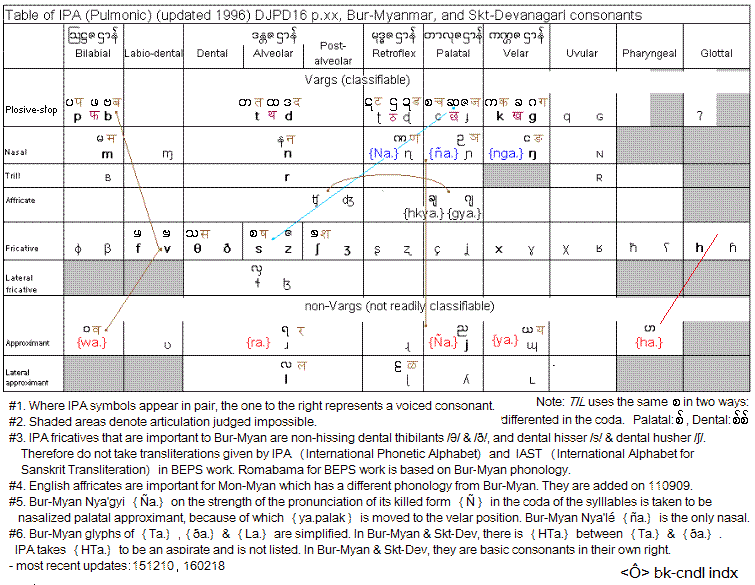 I first ran into this problem in 1989 soon
after my wife Daw Than Than and I settled in
Canada. I was writing a teaching program with
the help of my wife Daw Than Than - Burmese
for Foreign Friends, now included in
Bur-Myan Language: Speech and Script :
I first ran into this problem in 1989 soon
after my wife Daw Than Than and I settled in
Canada. I was writing a teaching program with
the help of my wife Daw Than Than - Burmese
for Foreign Friends, now included in
Bur-Myan Language: Speech and Script :
-
BurMyan-indx.htm >
B4FF1-indx.htm (link chk 180108)
I have to train myself in disciplines related to Linguistics and Phonology resulting in establishing Tun Institute of Learning website - a distance education university dedicated to BEPS - about 13 years ago.
I had run into various problems:
Problem #1: We, Bur-Myan, pronounce:
However, from the word
 {kauk} 'paddy' - MLC MED014, we can say that
{kau:} can be followed by a coda, meaning the syllable-vowel of
{kau:} can be killed. From it we can say that
{kau:} should not be treated as an
emphatic and that its duration is 1 blnk.
{kauk} 'paddy' - MLC MED014, we can say that
{kau:} can be followed by a coda, meaning the syllable-vowel of
{kau:} can be killed. From it we can say that
{kau:} should not be treated as an
emphatic and that its duration is 1 blnk.
Problem #2:
Next comes the problem of killed-Nya'gyi
{Ñ} in words such as
 {ÉÑ.þæÑ}.
{É} (1 blnk) -->
{ÉÑ.} (1/2 blnk);
(2 blnk)
ref.
In Pal-Myan, we are told that Nya'gyi aka Nya-major
{Ña.} is a horizontal
conjunct, and placing it under
 {a.þût} breaks it up:
Pal-Myan:
{ñ~ña.} (mute)
giving us the pronunciation of words liked{piñ~ña} 'education' which must be pronounced as /
/.
The solution to this problem is to assign Nya'lé aka Nya-minor
 {ña.}/
 {ñ} as the sole occupier of cell r2c5 of
Myanmar akshara matrix, and moving Nya'gyi aka Nya-major
{Ña.} down to the Approximant row under as
Palatal-group, and moving
{ya.} under Velar-group.
{ñ} as the sole occupier of cell r2c5 of
Myanmar akshara matrix, and moving Nya'gyi aka Nya-major
{Ña.} down to the Approximant row under as
Palatal-group, and moving
{ya.} under Velar-group.
Go back BEPS-mid-vowel-note-b
End of TIL file